RFK Jr Vaccine Trial Approved in Guinea-Bissau Amid Controversy
Hepatitis B vaccine trial withholds doses from African newborns. Danish researchers secure approval for controversial study backed by RFK Jr, HHS secretary.
Vaccine Trial Receives Regulatory Clearance in West African Nation
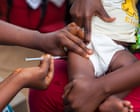
A contentious vaccine trial has received formal approval to proceed in Guinea-Bissau, marking a significant development in ongoing debates surrounding immunization protocols in developing regions. The vaccine trial study, which involves withholding standard hepatitis B vaccine doses from participating newborns, has drawn considerable attention from health officials and advocacy groups worldwide. This vaccine trial represents a departure from conventional vaccination practices established by international health organizations.
Connection to Federal Health Leadership
The research initiative reflects the vaccine philosophy of Robert F Kennedy Jr, who currently serves as secretary of the US Department of Health and Human Services. Kennedy, known for decades of advocacy questioning vaccine safety protocols, has long championed alternative approaches to immunization strategies. His appointment to lead HHS marked a significant shift in federal health policy direction, enabling projects like this vaccine trial to advance through regulatory channels.
Danish Research Team and Study Design
Danish researchers leading the initiative will implement a study design that deliberately withholds recommended hepatitis B vaccine doses from thousands of newborns in Guinea-Bissau. The research protocol calls for investigating outcomes when standard vaccination schedules are modified or delayed for participating infants. This vaccine trial methodology has sparked criticism from public health organizations that emphasize the established safety record of hepatitis B immunization in newborn populations.
Regulatory Approval Process
Authorities in Guinea-Bissau granted formal approval for the vaccine trial to proceed this week following review by appropriate regulatory bodies. The decision cleared the way for researchers to begin enrollment and data collection phases of the study. The approval represents a significant step in implementing Kennedy's vaccine vision at an international level, demonstrating how policy shifts at the federal level can influence research opportunities across borders.
Global Health Implications
The vaccine trial's approval raises questions about ethical oversight in clinical research involving vulnerable populations. Guinea-Bissau, located in West Africa, has experienced significant health challenges and maintains limited healthcare infrastructure compared to developed nations. Critics argue that conducting a vaccine trial that withholds proven immunization from newborns in resource-limited settings raises fundamental ethical concerns about informed consent and protection of study participants.
International Response and Concerns
Health organizations globally have expressed reservations about the vaccine trial proceeding without additional safeguards. Hepatitis B vaccination in newborns represents a cornerstone of international immunization programs, with decades of clinical data supporting its safety and efficacy. The vaccine trial's design contradicts recommendations from the World Health Organization and national immunization programs in most countries. Professional medical associations have questioned whether the research meets standard ethical benchmarks for human subjects protection.
Background on Vaccine Policy Debates
The vaccine trial approval follows years of contentious debate about immunization policy in the United States and internationally. Kennedy's elevation to HHS leadership has accelerated efforts to reassess established vaccine protocols. Supporters of the vaccine trial argue it will generate valuable comparative data about alternative immunization approaches. However, opponents contend the vaccine trial prioritizes ideological considerations over established safety science and public health best practices.
Looking Forward
The vaccine trial is expected to commence recruitment in the coming months, pending final preparations by the research team. The study outcomes may significantly influence vaccine recommendations and policies in Guinea-Bissau and potentially other developing nations. Public health officials will monitor the vaccine trial closely as it represents a high-stakes test of alternative vaccination methodologies in real-world settings. The results could reshape international conversations about immunization standards and influence policy decisions within Kennedy's HHS department.