Pennsylvania Measles Outbreak Exceeds 1,000 Cases
Pennsylvania's measles epidemic surpasses 1,000 confirmed cases, the worst in 30+ years. Health officials report deaths and hospitalizations amid regional sprea...
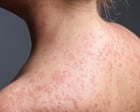
Pennsylvania Measles Outbreak Reaches Critical Milestone
The measles outbreak Pennsylvania is experiencing has officially crossed the 1,000-case threshold, marking the largest public health crisis of its kind in over thirty years. According to data released Monday by the Pennsylvania Department of Health, exactly 1,004 confirmed measles cases have been documented throughout the state, signifying an unprecedented surge in transmission rates and community spread.
Escalating Public Health Emergency
The severity of this measles outbreak Pennsylvania continues to intensify, with health authorities implementing comprehensive response strategies. The confirmed case count represents a dramatic escalation from previous decades, triggering heightened alert status among medical facilities and public health agencies statewide. The measles outbreak Pennsylvania has overwhelmed some regional healthcare systems, straining resources and demanding urgent intervention protocols.
Deaths and Hospital Admissions
Tragically, the human toll associated with this outbreak has proven substantial. Five Pennsylvania residents have lost their lives after contracting measles, underscoring the disease's potentially fatal consequences for vulnerable populations. Beyond fatalities, 198 individuals have required hospitalization due to severe complications, ranging from respiratory distress to neurological complications. These hospitalizations reflect the serious nature of measles infection and its capacity to cause debilitating health consequences requiring intensive medical care.
Regional Impact and Neighboring States
The measles crisis extends beyond Pennsylvania's borders, affecting neighboring jurisdictions and revealing the interconnected nature of disease transmission across state lines. New York has declared a formal state of emergency in response to significant measles rates within its jurisdiction, demonstrating the regional scope of this public health challenge. Health officials across multiple states are coordinating response efforts and implementing emergency protocols to contain further spread.
Neighboring states have collectively recorded hundreds of additional cases, contributing to a national total exceeding 3,800 confirmed measles cases throughout the country. This nationwide figure illustrates how localized outbreaks can escalate into broader epidemiological concerns affecting multiple regions simultaneously. Interstate cooperation and information sharing have become critical components of containment strategies.
Public Health Response and Prevention Measures
Pennsylvania's Department of Health has activated comprehensive disease surveillance protocols and initiated contact tracing procedures to identify additional cases and prevent further transmission. Health officials are urging residents to verify immunization status and seek vaccination if protection is inadequate. The MMR vaccine remains the most effective preventative measure, with documented efficacy rates exceeding 97% among properly vaccinated individuals.
Medical professionals throughout Pennsylvania are heightening awareness among clinical staff regarding measles recognition, diagnosis, and reporting procedures. Healthcare facilities have established isolation protocols for suspected and confirmed cases to minimize nosocomial transmission risk. Public information campaigns emphasize the contagious nature of measles and the critical importance of vaccination coverage.
Vulnerable Populations at Risk
Certain demographic groups face elevated risk during this measles outbreak Pennsylvania, including infants too young for vaccination, immunocompromised individuals, and unvaccinated community members. Pregnant women represent another vulnerable cohort, as measles infection during pregnancy can result in serious complications and adverse fetal outcomes. Health officials have prioritized outreach to these populations, providing targeted guidance and vaccination opportunities.
Statistical Analysis and Epidemiological Trends
The rate of measles case accumulation has accelerated dramatically in recent weeks, suggesting continued community transmission despite intervention efforts. Epidemiological analysis indicates multiple independent transmission clusters across different geographic regions within Pennsylvania, complicating containment strategies. The age distribution of cases reveals impact across diverse age groups, though certain communities show higher attack rates consistent with lower vaccination coverage.
Laboratory confirmation procedures have verified case authenticity, with serological testing and molecular analysis confirming measles-specific antibodies and genetic material. This rigorous diagnostic approach ensures accurate case counting and enables researchers to track specific measles strains circulating throughout the state. Epidemiologists are analyzing transmission patterns to identify community characteristics associated with elevated outbreak risk.
Long-term Health Implications
Beyond immediate acute illness, measles can precipitate serious long-term complications including subacute sclerosing panencephalitis, a fatal neurodegenerative condition developing months or years after initial infection. Pneumonia represents the most common serious complication requiring hospitalization, while encephalitis and other neurological manifestations occur in approximately one per thousand cases. Recovery from severe measles may leave permanent sequelae affecting hearing, vision, and cognitive function.
Healthcare providers are monitoring recovered patients for delayed complications and providing appropriate follow-up care. Public awareness regarding potential long-term consequences aims to reinforce the importance of prevention through vaccination rather than relying on post-infection treatment approaches.