Influencer's Dangerous Wellness Advice at UK Event
Controversial wellness influencer Barbara O'Neill dismisses antibiotics, vaccines, and cancer treatment at UK conference. Health experts warn against dangerous...
Controversial Wellness Influencer Sparks Health Safety Concerns
A wellness influencer's appearance at a five-day UK conference has raised serious alarm bells among health professionals and regulators. Barbara O'Neill, an Australian wellness influencer who has been flagged as a public safety risk in her home country, has been promoting dangerous alternative health practices that directly contradict established medical science. The wellness influencer dangerous advice being dispensed at the event includes dismissing antibiotics, vaccines, and scientifically proven cancer treatments.
The Controversial Conference Setting
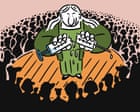
The De Vere Cranage Estate hotel in Cheshire served as the venue for this wellness event, where attendees gathered for five days of presentations and discussions about health and wellness. Inside the conference room, audiences responded with laughter to suggestions that visiting doctors might be counterproductive for treating serious illnesses. This atmosphere of skepticism toward conventional medicine created an environment where the wellness influencer dangerous advice could spread unchallenged.
Barbara O'Neill's Medical Dismissals
During question-and-answer sessions, Barbara O'Neill openly discouraged the use of pharmaceuticals, vaccines, and evidence-based cancer therapies. Her claims are particularly concerning because they target vulnerable individuals seeking health solutions. The wellness influencer dangerous advice extends beyond casual recommendations; she actively encourages people to avoid conventional medical interventions despite their proven efficacy in treating life-threatening conditions. This approach has led Australian authorities to identify her as a risk to public safety.
Blending Spirituality with Pseudo-Science
The conference itself appeared to blur the lines between spiritual guidance and medical advice, with Bible verses interspersed among health presentations. This combination of religious content with wellness influencer dangerous advice creates a powerful persuasive environment where participants may be more susceptible to accepting unproven treatments. The mixing of faith-based messaging with medical claims has been identified as a significant factor in how such misinformation gains traction among certain audiences.
Health Risks Associated with Alternative Medicine Promotion
Medical professionals have long warned about the dangers inherent in the promotion of alternative medicine as a replacement for proven treatments. When individuals suffering from serious conditions like cancer forgo chemotherapy, surgery, or radiation in favor of natural remedies, outcomes can be catastrophic. The wellness influencer dangerous advice circulating at this event poses real risks to the health and wellbeing of conference attendees.
Regulatory Concerns and Public Safety
Barbara O'Neill's identification as a public safety risk in Australia reflects growing concerns about the influence of wellness influencers who lack medical credentials. Her ability to attract large audiences and command attention at international conferences demonstrates the reach of such figures in the wellness space. The extent of her influence raises questions about event organizers' responsibilities in vetting speakers and preventing the spread of health misinformation.
The Broader Pattern of Wellness Influencer Dangerous Advice
This incident represents part of a larger trend in which social media personalities without medical training position themselves as health experts. The wellness influencer dangerous advice phenomenon has become increasingly prevalent, exploiting people's desire for natural solutions and distrust of conventional medicine. These influencers often profit significantly from selling supplements, books, and courses based on their unsubstantiated claims.
Audience Response and Concern
The roaring laughter from conference attendees when jokes were made about the uselessness of doctors illustrates how effectively such messaging can resonate with audiences predisposed to distrust medical institutions. However, this enthusiasm masks the potentially lethal consequences of following through on the wellness influencer dangerous advice being promoted. For cancer patients, for example, delaying or refusing conventional treatment dramatically reduces survival rates.
Impact on Vulnerable Populations
Particularly concerning is how the wellness influencer dangerous advice disproportionately affects vulnerable populations including those with serious diagnoses, chronic illnesses, and individuals with limited health literacy. These groups may be more susceptible to charismatic speakers offering simple solutions to complex health problems. The emotional appeal of natural remedies combined with spiritual messaging makes such presentations particularly persuasive to those seeking hope.
Conclusion
The promotion of wellness influencer dangerous advice at international conferences demonstrates the need for stronger oversight and accountability in the wellness industry. While interest in preventative health and natural approaches has legitimate merit, the dismissal of proven medical treatments crosses a critical ethical line. As the reach of wellness influencers continues to expand, particularly through social media platforms, the importance of protecting public health becomes increasingly urgent.