Holborn and St Pancras Byelection: Labour Defends Starmer's Seat
Labour fights to keep Holborn and St Pancras seat as Burnham tests unity against Green challenger Polanski. Polls closed in crucial north London byelection.
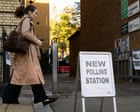
Holborn and St Pancras Byelection Results Await as Voting Concludes
The Holborn and St Pancras byelection represents a critical moment for Labour's ability to maintain control of this traditionally safe north London seat. Party leadership, particularly under the stewardship of Andy Burnham, faces mounting pressure to demonstrate their capacity to consolidate support across the left-leaning electorate while fending off an increasingly competitive challenge from the Green Party's candidate Zack Polanski.
Labour's Challenge in Retaining the Constituency
Labour enters this Holborn and St Pancras byelection contest with significant advantages, having commanded the seat since its creation with substantial electoral margins. Former Prime Minister Keir Starmer secured victory in the 2024 general election with a commanding majority exceeding 11,000 votes in this affluent central London constituency. The party's organisational machinery has mobilised extensively throughout the campaign, emphasising their track record of delivering for local residents and their commitment to progressive policies.
However, internal divisions within the progressive vote threaten to complicate Labour's path to victory. Environmental concerns, cost-of-living pressures, and debates surrounding foreign policy have energised sections of the electorate previously considered reliably aligned with the Labour banner. These fractures present opportunities for alternative parties to capture disaffected supporters.
The Green Party's Growing Threat
Zack Polanski's candidacy represents the Green Party's most serious attempt to breach Labour's dominance in affluent urban constituencies. The party has invested considerable resources and campaigning intensity into the Holborn and St Pancras byelection, targeting voters frustrated with what they characterise as insufficient environmental action and overly cautious policy positions. Polanski's campaign messaging has resonated particularly with younger voters and those prioritising climate change as their foremost electoral concern.
The Greens' electoral strategy capitalises on specific local issues, including housing affordability, pollution, and transport policy. By presenting themselves as more radical alternatives to Labour's centrist approach, they have attempted to mobilise the progressive vote beyond traditional partisan boundaries.
Andy Burnham's Leadership at Stake
This Holborn and St Pancras byelection serves as a broader test of Andy Burnham's capacity to reunite Labour's fractured coalition and reassert party authority over its traditional voter base. As party leadership navigates competing demands from different wings of the movement, maintaining parliamentary control becomes symbolically important for demonstrating electoral competence and internal unity.
The byelection outcome will provide crucial indicators regarding Labour's vulnerability in similar constituencies and the effectiveness of current strategies for managing internal tensions while maintaining electoral dominance.
Electoral Context and Implications
North London has historically represented one of Labour's safest territories, with strong middle-class professional representation and consistent support for progressive causes. The Holborn and St Pancras byelection therefore carries significance beyond immediate constituency concerns, potentially indicating broader trends affecting Labour's electoral coalition nationwide.
As polling locations closed and counting procedures commenced, political analysts and party strategists awaited results that would clarify the current state of electoral sentiment and the viability of competing visions for progressive politics in contemporary Britain.