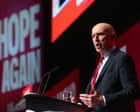
Green Party Leader Rejects Byelection Pressure in Holborn Race
Zack Polanski states his Green Party leadership position remains secure regardless of byelection outcome in Keir Starmer's former seat.
Green Leader Stands Firm on Authority
In an exclusive statement, Zack Polanski has clarified that his position as leader of the Green Party of England and Wales does not hinge on the outcome of the upcoming Holborn and St Pancras byelection. The Green Party leadership framework, according to Polanski's recent comments, operates independently from individual electoral contests, even those as prominent as the campaign to claim Keir Starmer's former parliamentary seat.
Polanski's assertion comes as the party navigates a critical moment in its political trajectory. The Green Party leadership has maintained steady visibility in recent years, yet questions persist about whether the organization's peak influence may have already been reached. This byelection represents both an opportunity to demonstrate continued momentum and a test of the party's capacity to convert public interest into tangible electoral gains.
The Holborn Contest: A Delicate Balance
The race for Holborn and St Pancras presents itself as a genuinely competitive affair. Polanski characterized the byelection battle as "probably 50/50 right now," emphasizing that the contest remains "really on a knife edge." This assessment reflects the genuine uncertainty surrounding voter intentions in the London constituency, where multiple political factions vie for dominance.
Labour currently holds the seat vacated by former Prime Minister Keir Starmer, who departed from the position when he assumed his role in national government. The Green Party's determination to capture this seat stems partly from its strong performance in urban constituencies and growing environmental consciousness among voters. However, Labour's traditional organizational strength and constituency infrastructure present formidable obstacles to any challenger.
Leadership Legitimacy Beyond Electoral Outcomes
Polanski's public statements regarding his Green Party leadership position deserve careful examination. His claim that his authority transcends any single byelection result suggests confidence in his internal party standing. Many political observers interpret such declarations as indicating robust support from party members and established leadership structures.
This approach contrasts with some alternative scenarios where a party leader's continuation in office might depend heavily on achieving specific electoral objectives. Instead, Polanski appears to be signaling that the Green Party has institutional mechanisms and membership backing sufficient to maintain leadership stability regardless of the Holborn outcome.
Context of Party Performance and Public Sentiment
The broader context for this byelection includes observations about potential shifts in the Green Party's political trajectory. Some analysts have suggested the party's period of rapid growth or peak public engagement may have plateaued. This assessment, if accurate, would inform discussions about the party's strategic direction and realistic electoral expectations.
Nevertheless, the Holborn and St Pancras contest presents a unique scenario. The constituency's demographic composition, including substantial university populations and progressive-leaning voter bases, traditionally aligns well with Green Party messaging regarding environmental policy, climate action, and social justice initiatives. A strong performance here could potentially counter narratives about diminished party momentum.
Polanski's Strategic Positioning
The Green Party leader's public messaging appears strategically calculated. By decoupling his leadership tenure from byelection results, Polanski establishes flexibility and reduces pressure that might otherwise constrain party decision-making. This positioning allows the Green Party to contest elections vigorously while avoiding scenarios where narrow electoral defeats automatically trigger leadership crises.
Furthermore, such statements may reflect Polanski's confidence in his relationship with party membership and structures. Internal party politics matter significantly in determining whether a leader can maintain authority. If substantial party support exists independently of electoral performance, then byelection outcomes become less threatening to leadership continuity.
What the Byelection Reveals
Despite Polanski's public stance regarding his personal leadership security, the Holborn and St Pancras byelection remains consequential for the Green Party's broader narrative and political positioning. Victory in the constituency would strengthen arguments about continued electoral viability and growing support. Conversely, defeat would likely prompt analytical reconsideration of the party's trajectory and electoral strategy.
The stakes for the Green Party extend beyond any individual seat. The contest offers a barometer for measuring voter receptiveness to Green Party candidates in competitive urban environments. Results will inform discussions about resource allocation, campaign strategy refinement, and realistic assessment of growth potential in coming electoral cycles.
Conclusion
Zack Polanski's explicit statement that Green Party leadership does not require byelection victory provides insight into the party's internal confidence and structural stability. While the Holborn and St Pancras contest remains genuinely competitive at the "knife edge" Polanski describes, the outcome will not automatically determine leadership legitimacy within Green Party structures. This separation between electoral performance and institutional authority represents a calculated strategic position as the Green Party navigates contemporary British politics.