EU Seeks Closest Ties with UK Following Historic Brexit Reset Deal
European Council President confirms EU commitment to deepest possible UK relationship after Brexit reset agreement. Major trade and economic breakthrough negoti...
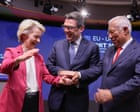
EU Commits to Deepest Partnership Following Brexit Reset Deal
The European Council has reaffirmed its commitment to establishing the closest possible relationship with the United Kingdom following the conclusion of a comprehensive Brexit reset deal. This landmark agreement represents a significant turning point in EU-UK relations, moving beyond the initial separation framework to establish more robust economic and political cooperation between the two parties.
Strategic Negotiations and Leverage Dynamics
According to senior European diplomatic sources, the Brexit reset deal incorporates strategic provisions regarding tuition fees for EU citizens, which have been deferred for an additional six months. This deliberate approach is designed to manage negotiating leverage during the upcoming period, as both parties work to finalize complementary agreements on critical issues including Made in Europe legislation intended to strengthen EU supply chains against external economic pressures.
The European Union has demonstrated its willingness to link multiple agreements together in a carefully orchestrated negotiation strategy. By conditioning the food and drink provisions on concurrent tuition fee arrangements, EU negotiators have effectively neutralized potential advantages the UK might otherwise secure during this transitional period.
France's Position on UK Voting Rights
France has taken a notably firm stance on specific aspects of the Brexit reset negotiations. French officials have explicitly stated that the United Kingdom cannot retain voting rights on EU legislation pertaining to food and drink sectors, emphasizing that certain regulatory domains remain exclusively within the EU's purview. This position underscores the distinction between economic cooperation and institutional participation in European decision-making structures.
Complexity of Modern Diplomacy
These negotiations reflect the intricate nature of contemporary international diplomacy. While both parties speak positively about strengthening their relationship, the actual mechanics of agreement-making involve substantial hard-line bargaining positions. The EU has demonstrated its capacity to maintain friendly rhetoric while simultaneously pursuing firm negotiating stances on substantive issues where former member state status creates particular sensitivities.
Economic Impact and GDP Growth Projections
Prime Minister Burnham, during meetings with business leaders in Brussels, highlighted the significant economic implications of the Brexit reset deal. Official Treasury analysis released alongside the agreement indicates that the provisions could contribute approximately 0.5% to the United Kingdom's gross domestic product. Government officials have characterized this as the single most substantial growth intervention implemented during the current parliamentary term, representing a meaningful boost to economic performance.
The Prime Minister expressed confidence in the negotiation's trajectory, stating that substantive progress had been achieved and that the final framework represents a genuinely beneficial arrangement for the UK. The 0.5% GDP impact calculation reflects comprehensive economic modeling that accounts for increased trade facilitation, reduced friction in business operations, and enhanced regulatory alignment in key sectors.
Implications for Future UK-EU Relations
The completion of the Brexit reset deal establishes a foundation for more normalized relations between London and Brussels. Rather than functioning within the rigid framework established by the initial Brexit separation agreement, both parties now have mechanisms to cooperate on emerging challenges and economic opportunities. The staged approach to finalizing certain components, particularly the tuition fees arrangement, allows for continued negotiation while securing progress on immediate priorities.
This diplomatic settlement reflects recognition on both sides that sustained confrontation serves neither party's interests, and that strategic cooperation on defined issues provides mutual benefits. The careful balancing of commercial interests with regulatory autonomy demonstrates the sophistication required in modern trade relationships between major economic actors.